Di History of Roulette Systems
Two centuries of pipo wey dey write rules for how to change dia stake.
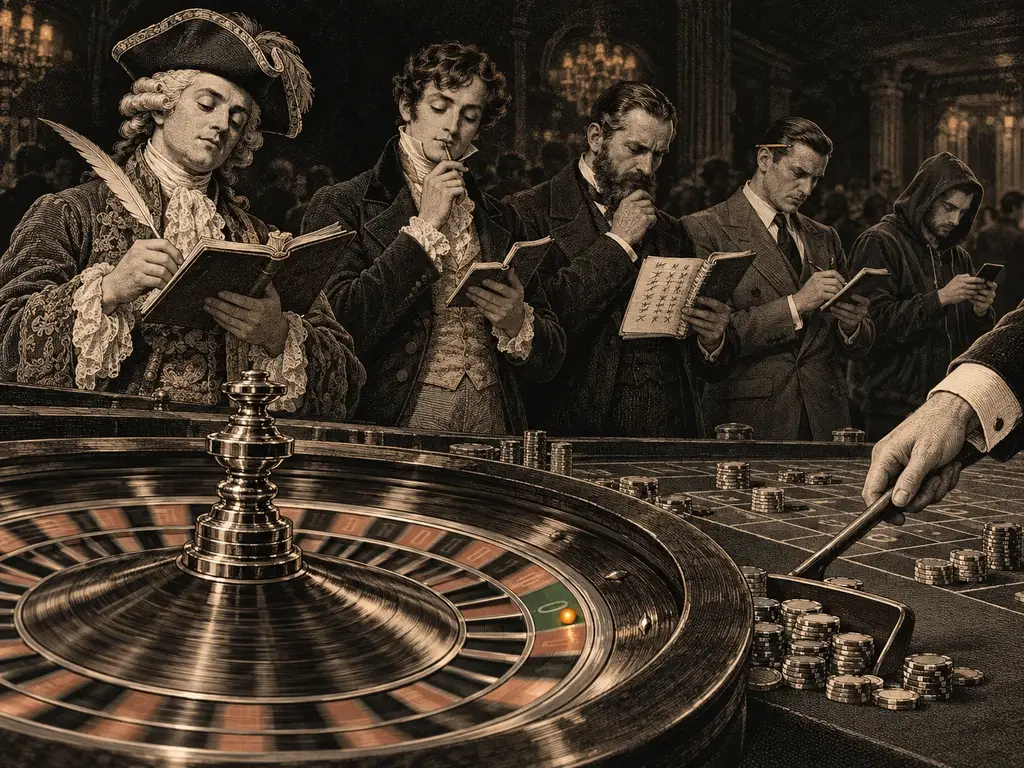
Martingale come from di 18th century; D’Alembert carry di name of mathematician wey no like am; Labouchère na di hobby of one Victorian politician. No one of dem work dat time too.
Martingale
Di name come from Provençal gambling slang (à la martegalo, “di way di pipo of Martigues dey do”, pipo wey everybody sabi sey dem no dey careful) for bet wey dey double, and French dictionaries record am from di 1760s. Thorp (1984), wey follow di American Heritage Dictionary, give anoda explanation wey come from folk story: pipo dey laugh di pipo of Martigues for strange habits, like to tie dia trousers for back, so di phrase come mean “for foolish way”. E don already be warning story for Paris for di 18th century: Casanova describe how e lose plenty moni as e dey double for faro for Venice for di 1750s. Di mathematics of why e dey fail, di table limittableTable limitDi minimum and maximum bet wey dem allow. Na di maximum dey stop progressions wey dey double.Read di whole tin → and di bankrollmoniBankrollDi total moni wey you set aside for play. Bankroll management na to decide how much of am you go risk for each bet and for each session.Read di whole tin → wey get end, pipo don understand am by di 1770s. For probabilitymathsProbabilityDi chance of one outcome, from 0 to 1 or from 0% to 100%. One number: 1/37 = 2.70%.Read di whole tin → theory, “martingalestrategyMartingaleProgression wey dey double di bet afta every loss. Check di Strategy section to see wetin e dey do and wetin e no dey do.Read di whole tin →” become technical word for di 1930s for fair gamemathsFair gameGame where no side get edge: every bet get expected value of zero.Read di whole tin →, and dat na di one tin wey roulette Martingale no be.
D’Alembert
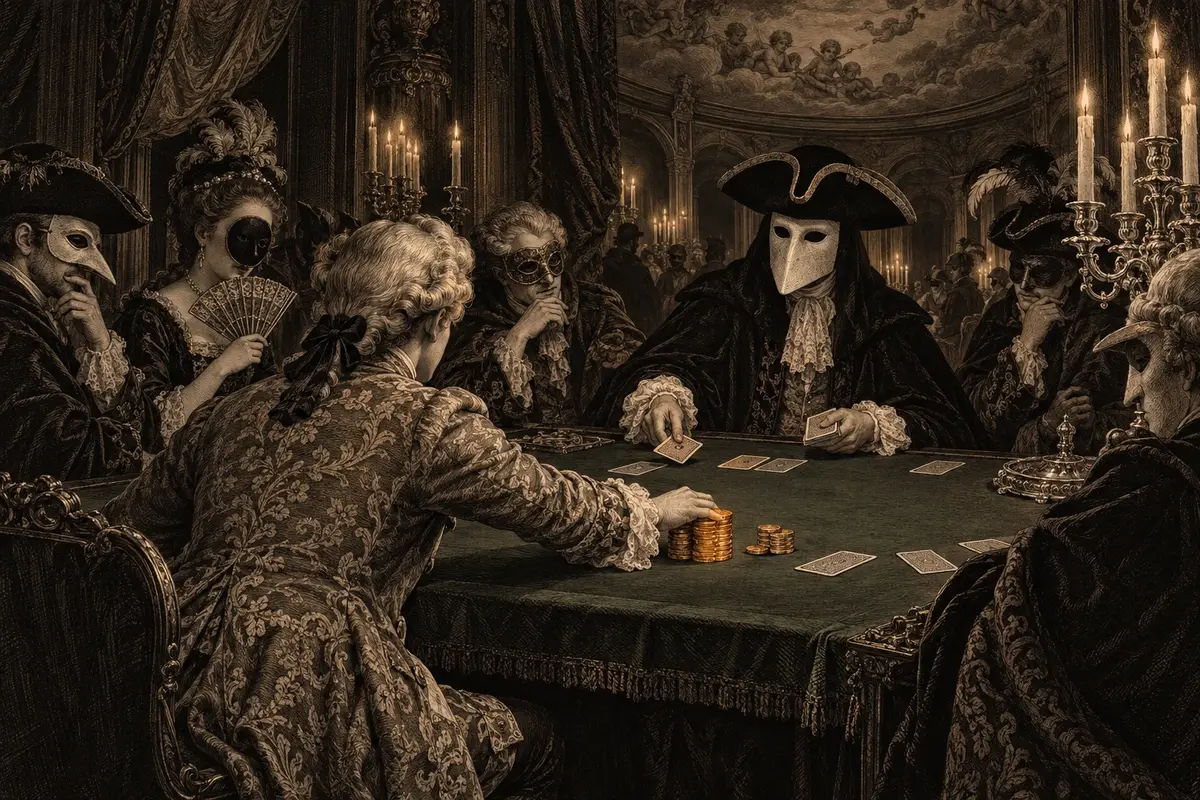
Jean le Rond d’Alembert argue for di Encyclopédie (1754) sey afta heads show many times one afta di oda, tails go get more chance: early version of di gambler fallacy from one big mathematician. Di betting system wey add one unitmoniUnitDi base stake wey system or player dey work with. Dem dey describe progressions in units so dat dem go fit work for any table.Read di whole tin → afta loss and remove one afta win, na later gamblers wey get di same belief give am im name. E no propose am, and for im better days e for reject am.
Labouchère
Henry LabouchèrestrategyLabouchèreCancellation system: write one line of numbers, bet di total of di two ends, cancel dem afta you win, add di stake wey you lose afta you lose.Read di whole tin → (1831–1912), journalist, theatre owner and Liberal MP, make di cancellation system popular for London society for di 1870s, and reports tok sey e use am for Monte Carlo. Di method, to write one line of numbers and bet di sum of di two ends, old pass am. Im name stick becos e popular for oda tins, and becos di system get one rare quality: e dey usually work, and dat one make am tori for dinner.
Casanova lose as e dey double for faro. Martingale don old already.
D’Alembert publish di fallacy wey later carry im name as system.
“Martingale” enter French dictionaries as gambling slang.
Labouchère make cancellation popular for London.
Fibonacci and Paroli progressions show for gambling books.
“Sector” systems wey base on di wheel layout, wey dem dey sell by mail order.
Halmos, one student of Doob, prove sey no betting system fit turn game wey no favour you to game wey favour you.
Computers simulate every system. All of dem show −1/37 of turnover.
Di same systems wey dem dey sell online wit di same results, wey dis site simulate for browser.
Di 20th century
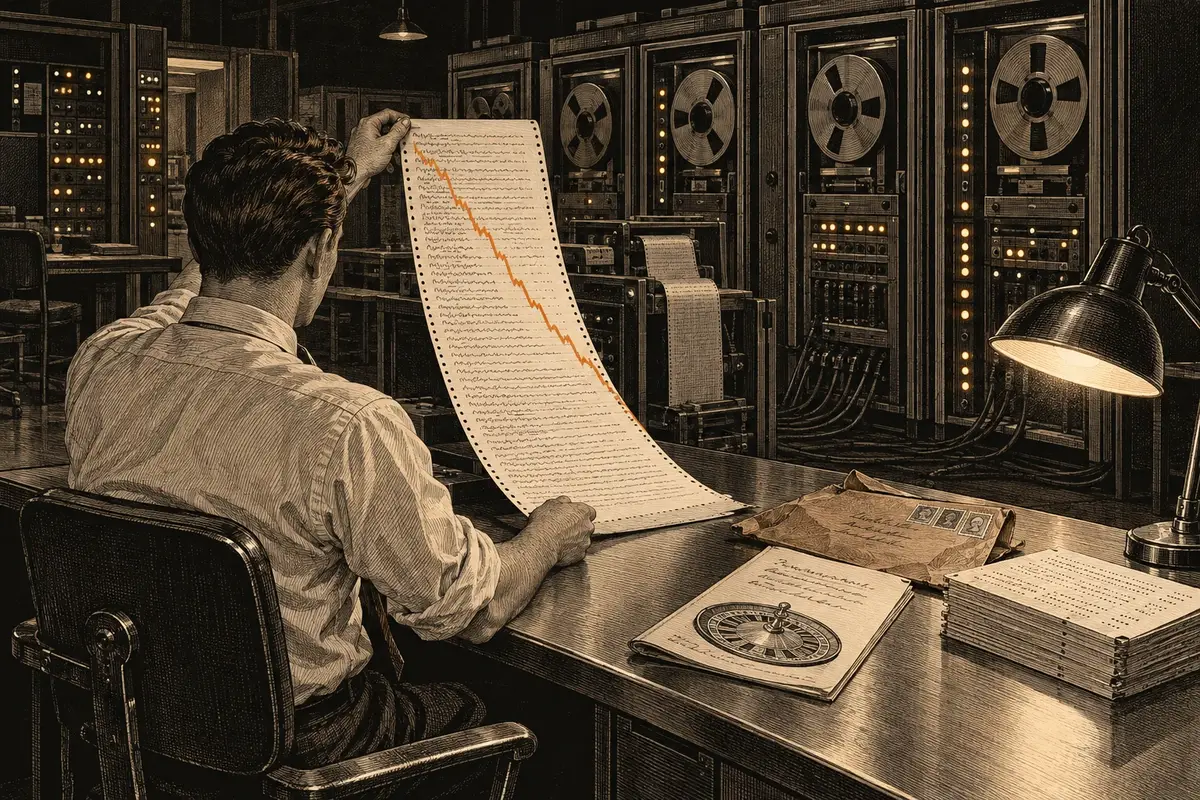
FibonaccistrategyFibonacciProgression wey dey follow di sequence 1, 1, 2, 3, 5, 8, 13…: one step forward afta you lose, two steps back afta you win.Read di whole tin → and ParolistrategyParoliPositive progression: double afta you win, start again afta you lose or afta three wins one afta di oda. Dem also dey call am: reverse Martingale.Read di whole tin → enter gambling books around 1900. Di middle of di century bring systems wey dem dey sell by mail order, each wit testimonial and promise to return your moni, plus di first computer simulations, wey show wetin di mathematics don already tok. Di proof sey no system fit work don dey already: Joseph Doob (1936) and Paul Halmos (1939) show sey no rule for when and how much to bet fit change di expected result of game wey fair or wey no favour you, and Thorp survey of 1969 put di conditions for di form wey gamblers dey meet dem. Since den di systems never change; di marketing don move from pamphlets go video.
Myth: Roulette Strategy Wey Dey Always WinFibonacci Strategy for Roulette
Why dem still dey
System dey give player sometin to do and story to tell. Most sessions under most systems dey end wit small win, and dat na better story pass di arithmetic. Di sessions wey lose no dey happen often, and pipo dey remember dem as bad luck. Di marketing no need lie about di odds; e only need show one session wey win, and plenty of dem dey. Di answer against am, 2.70% of turnovermoniTurnoverDi total moni wey you bet for one session or one period, including winnings wey you bet again. Dem also dey call am: handle, action.Read di whole tin →, don dey since 1843 and e never convince pipo like one lucky night.
Systems wey dem dey sell
Di trade for di 20th century add im own schemes, each one na new arrangement of di same negative bets. Dem sell Phase One for $25 plus 10% of di winnings of di person wey buy am, wit promise of Phase Two once e don pay $500, and “Inner Circle” for $5,000. No one of dem fit change di arithmetic: di expected valuemathsExpected valueDi average result for each bet for di long run. −1/37 of di stake for every standard European bet.Read di whole tin → of series of bets na di sum of dia expected values.
Di one wey no be system
Stop rules: to decide before how much you go lose or win, and den comot. Dem dey often sell am as part of system and na di only part wey dey do anytin, becos e dey reduce turnover. Nobody carry im name, and dat one make sense.
Questions wey pipo dey ask
Martingale, by one century or more. To double afta loss na di first idea wey everybody dey get.
D’Alembert come close pass, by mistake. Pascal, Fermat, Huygens, Bernoulli and Laplace all explain why dem dey fail.
Becos most sessions dey win, and video of session wey win no cost much to make.
Small laugh
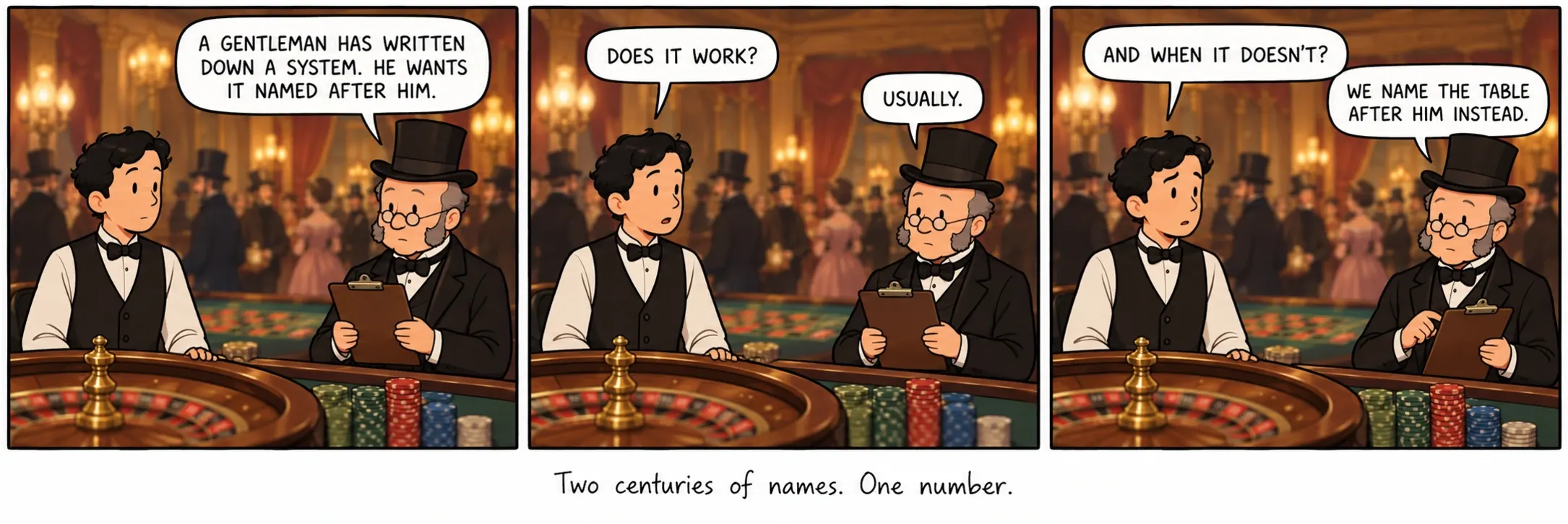
Two centuries of names. Na one number.
Sources
- Thorp, E. O. “Optimal gambling systems for favorable games.”
- Thorp, E. O. The Mathematics of Gambling.
- Doob, J. L. “Note on probability.”
- Halmos, P. R. “Invariants of certain stochastic transformations: the mathematical theory of gambling systems.”
- d’Alembert, J. “Croix ou pile.”
- Schwartz, D. G. Roll the Bones: The History of Gambling.
- Kavanagh, T. M. Dice, Cards, Wheels: A Different History of French Culture.
- Bollman, M. Mathematics of the Big Four Casino Table Games: Blackjack, Baccarat, Craps, & Roulette.