Roulette Tournament Dem
Di same stack to start, fixed number of spins, and prize for person wey finish for front. For roulette tournaments, di chip stacks of di oda players matter too.
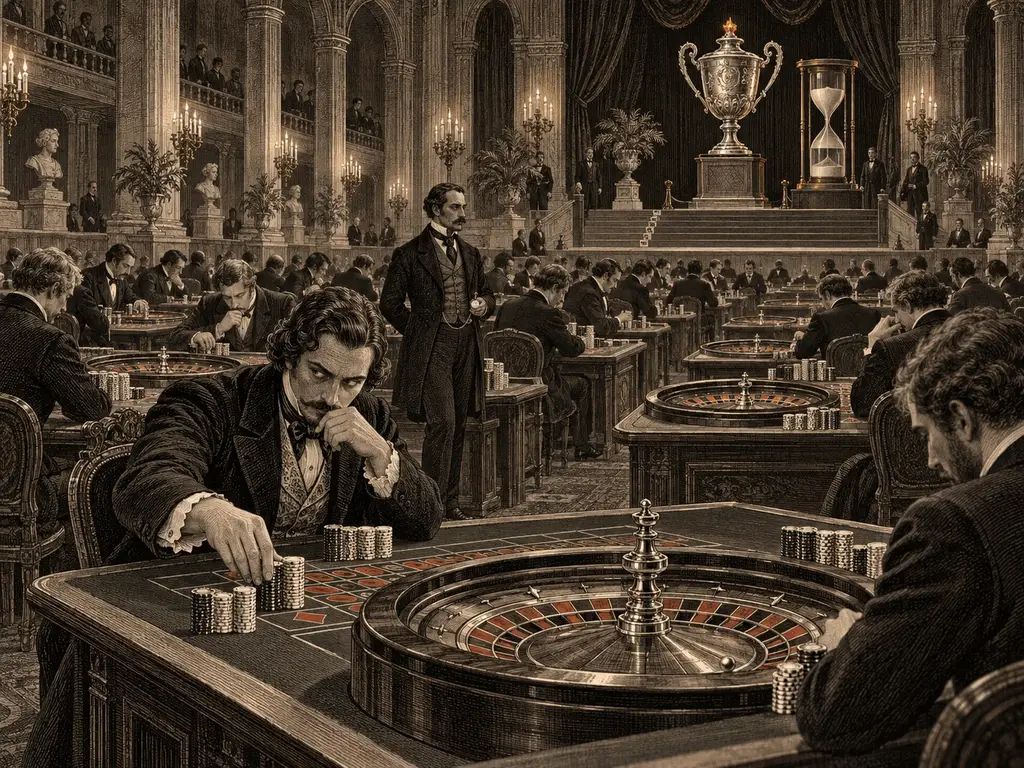
For tournament every player dey get di same play-moni chips and di same spins; di prize dey go to di biggest final stack. Di house edgemathsHouse edgeDi part of each stake wey di casino dey keep for average: 2.70% for European roulette.Read di whole tin → still dey on every bet, but di goal na to beat oda players, no be di wheel, and dat one dey change which bets correct.
How roulette tournament dey work?
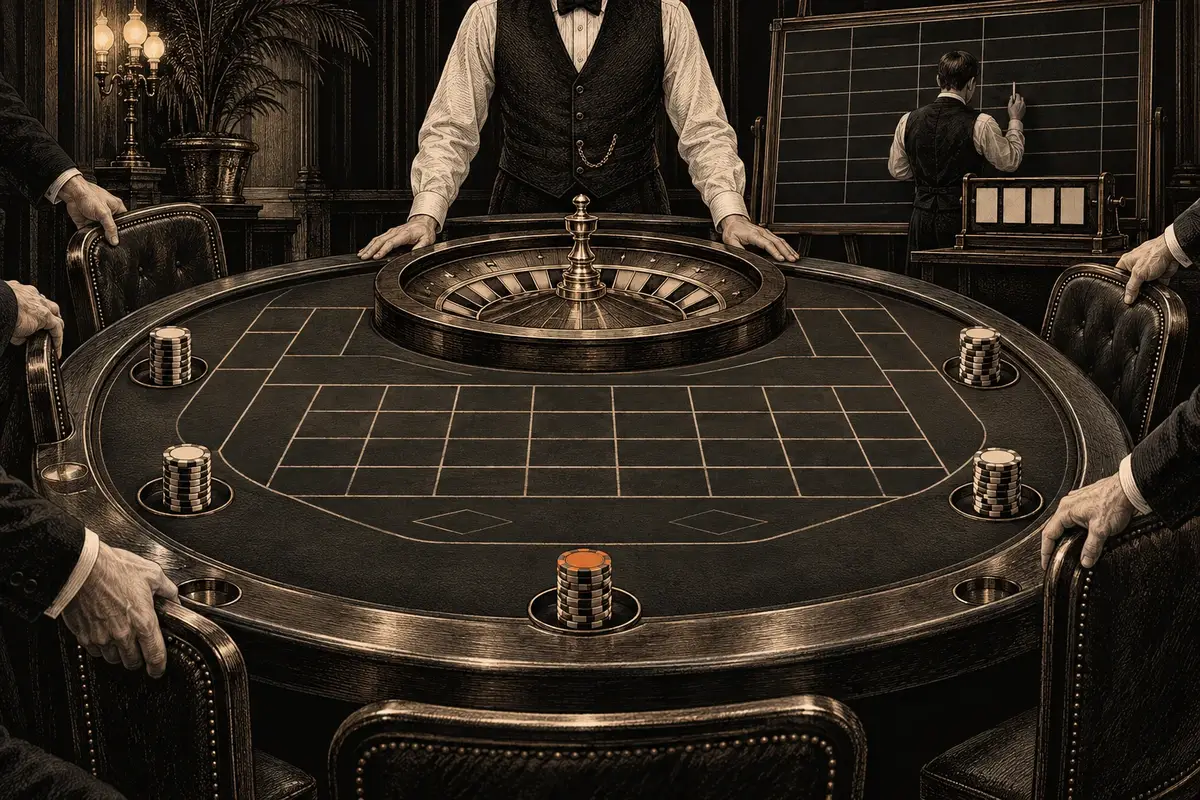
Entry fee, tournament chipsmoniChipToken wey stand for one fixed amount, wey you put on top di layout to make bet. Dem also dey call am: check.Read di whole tin → wey di stacks equal, fixed number of spins (many times 20 to 50) or time limit, and prize pool wey dem dey pay to di pipo wey finish for top. Tournament chips no get cash value; di prize na di only moni. Online roulette tournament dey run on RNG or live table with leaderboard; di versions for casino floor na events wey dey happen once once.
Why strategy dey here
For normal roulette di goal na moni and every bet get di same negative expectation, so di only strategy na stake and speed. For tournament di goal na position. If you finish second with big loss, e worth di same as if you finish second with small loss: notin. Wetin matter na di probabilitymathsProbabilityDi chance of one outcome, from 0 to 1 or from 0% to 100%. One number: 1/37 = 2.70%.Read di whole tin → sey you go end above di oda players, and dat one dey depend on variancemathsVarianceOne measure of how wide di results dey spread around di expected value. E high for straight up, e low for even-money bets.Read di whole tin →, no be expectation. Player wey dey behind suppose bet high variance (straight upsbetStraight upOne single number, e dey pay 35:1.Read di whole tin →) to get chance to catch up; player wey dey ahead suppose bet low variance or no bet at all to protect im lead.
Di arithmetic of how to catch up
Make we say you dey behind di leader by 300 chips, three spins remain, and you get 200 chips for hand. Even-money betsbetEven-money betRed/black, odd/even, high/low. 18 numbers, e dey pay 1:1.Read di whole tin → need two wins wey follow each oda, all in: 200 go 400 go 800, about 24%. Straight up of 10 chips dey pay 350 and e go do di work with probability of 1/37 for each spin; three tries go give about 8%. SplitbetSplitTwo numbers wey dey near each oda, e dey pay 17:1.Read di whole tin → of 20 chips dey pay 340 with probability of 2/37 for each spin; three tries go give about 15%. Di choice na between small chance to win and big chance to finish second anyhow. For di tournament, second na zero, so di high-variance play na di correct one.
Wetin no dey change
Every bet still get EV of −1/37 of im stake for tournament chips. For all di players togeda, di chips dey flow go di house for 2.70% of turnovermoniTurnoverDi total moni wey you bet for one session or one period, including winnings wey you bet again. Dem also dey call am: handle, action.Read di whole tin →; di prize pool dey come from entry fees. Di tournament no make roulette become sometin wey you fit beat; e make di opponents become oda players, and against dem variance na tool. Dis na di only roulette setting where “strategy” mean sometin, and na strategy about position, no be about di wheel.
Di honest summary
If you enjoy roulette and you want make di game get decisions inside, tournament dey give dem. Di entry fee na di price; di house dey take im share of di pool; di rest na contest of how to manage variance among pipo wey all dey face di same wheel.
Questions wey pipo dey ask
No. Tournament chips no get cash value.
Low variance when you dey ahead, high variance when you dey behind, and watch di oda stacks. Di wheel na di same for everybody.
From di entry fees and from di players wey later siddon for real tables.
Small laugh
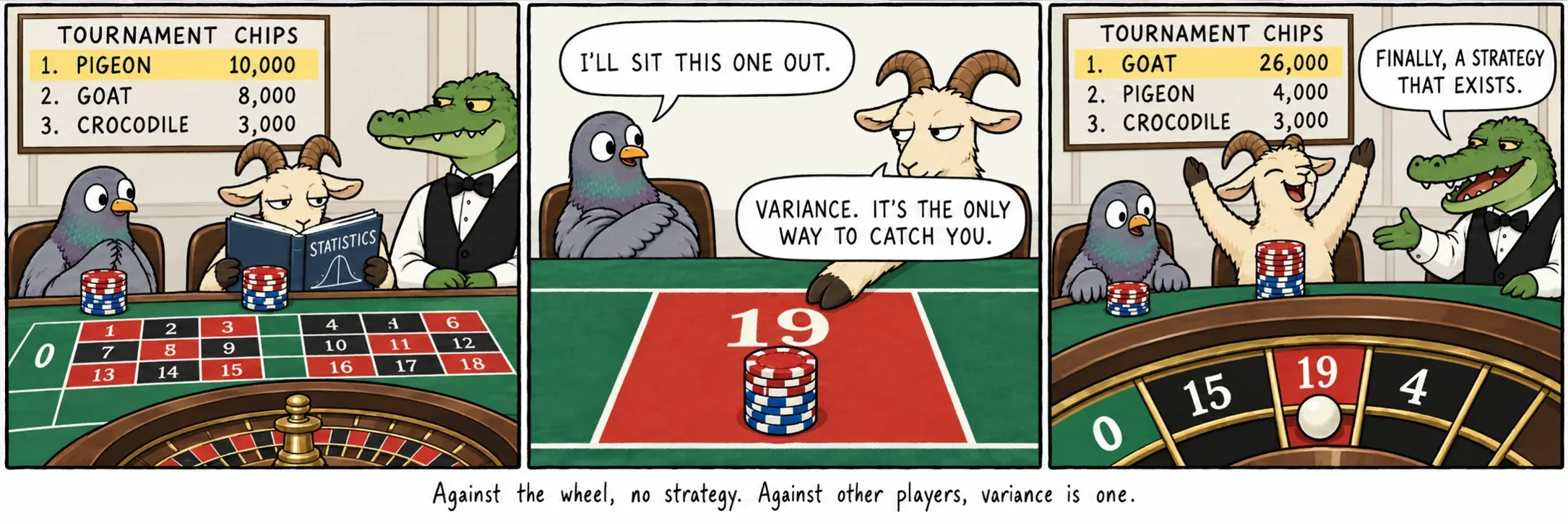
Against di wheel, no strategy. Against oda players, variance na one.
Sources
- Ethier, S. N. The Doctrine of Chances: Probabilistic Aspects of Gambling.
- Epstein, R. A. The Theory of Gambling and Statistical Logic, 2nd ed.